Showing posts with label What's this?. Show all posts

Friday, October 14, 2011

竹とんぼ Take-Tonbo: Helicopter Whirligig Toy

At the 100 yen shop (dollar store) in Japan, you can find lots of simple traditional wooden toys. These are some I got the other day. "Take", ("ta" rhymes with "ma" and "ke" rhymes with "may") means bamboo and "Tonbo" means dragonfly. The "bamboo dragonfly" toy was originally from China, and has been a popular toy in Japan for a long time. I've seen these whirligig toys in the states, too. There were two in the package. First was the simple traditional one, powered by spinning the shaft between your palms. The other used a simple string wound around a shaft. Place the propeller on top, pull the string and it goes flying off by itself. 
Cute, simple, and fun. The girls and I had a blast.  

Halloween Jack-o-lantern Pinatas


A good portion of my time last weekend was spent making big Jack-o-lantern pinatas for Junko's class and party. She was busy preping other things, so these you see here were 100% yours truely. It took a couple of days to make them. We got some jumbo sized balloons. Then, covered them with strips of newspaper, using a simple flour and water glue. I've had a lot of practice(and failures) making balloon pinatas at my school or at home. One important thing is to get good strong balloons. You don't want it to lose its shape before you finish. Another thing is to let one layer completely dry before applying the next. The last layer, I used shoji paper which is used in Japanese paper doors. The last layer of white picks up the paint better. Then, pop the balloon inside. I cut out the shapes of the face on black paper and glued them on. These were big and stood about three feet high. They were still tough to break, though. The paper gives when you hit it. I'll work on that problem. I'm sure I'll be making more of them before the seasons over. Happy Hallowen.

Saturday, September 3, 2011

Sexy House?

My wife likes to tell the neighbors this one. They all get a big laugh at the silly foreigner. There is a famous, high profile house maker in Japan called "Sekisui House" 積水ハウス and they've got a lot of TV commercials and a snazzy jingle. But the first time, I heard it and ever since then, it sounds like "Sexy House". My wife just laughs and says no one else thinks that. You look at one of the ccommercials and you be the judge. Am I crazy? I wanna live in a sexy house.

Sexy House, de shou!


Wednesday, August 17, 2011

Treu Teru Bozu


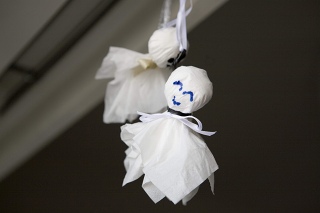
What's this cute little thing? Well, it's called teru teru bozu. It's a little doll made by children to ward off the rain. Little kids make these dolls out of cloth or just tissue and hang them up in the window on rainy days. They might look like ghosts that have been hung to death, but they're not ghosts at all. "teru" means sunshine and "bozu" meas a buddhist monk. They mean the monk will bring sunshine to you. Today, "bozu" is a slag expression that means bald (like a monk). I was bozu for a while earlier this summer. They say if you hang the teru teru bozu upside-down, it will bring the rain. There is also a cute little song and rhyme sung by children. Check out the video. Maybe a fun craft to do with the kids.


Daruma Dolls

These are daruma dolls だるま. They are a common sight in Japan . They are a paper mache doll used for making a wish. They are modeled after and take their name from Bodidharuma, the legendary Buddhist monk who brought Buddhism to Japan from China. The dolls are hollow paper mache with a weighted bottom so the always turn right side up like roly-poly or whebble-whobble dolls. When you buy them, the eyes are blank. You paint the left eye black to make your wish or set your goal. You paint the right eye after it comes true. They are a common gift for new businesses, politicians during a campaign, or for students before a big test. They have different kanji or Chinese characters written on them for different occasions, but are often associated with th phrase "nanakorobi yaoki" 七転び八起き which translates "Seven times down, eight times up." which basically means never give up no matter how many times you fall down. You can buy them anywhere, even at the 100 yen(dollar) store. They are usually red, but I saw a show on TV, that in Hokkaido and northern Japan, they are usually blue. They are beautifully designed and definitely show a Russian influence. Recently, it became popular to paint them blue like the Japanese soccer team uniforms before the Women's world cup. They won, I guess maybe the daruma worked.

Sunday, August 7, 2011

お供え Osonae Butsudan Sugar Flower Offerings


These are a pretty confection like decoration. They don't have a specific name but they might be called "obutsuzen" or お供え "osonae" which means offering. They are made of mostly sugar and come in many shapes and bright colors, usually flowers. They aren't just candy for kids, though. They are a common sight this time of year in August around Obon. They are an offering to be put on the butsudan or family buddhist alter in the home. They make me think of how in other Asian countries real flowers are placed on alters. For Obon, the departed spirits of the family come back to visit and people will put food, particularly sweets,  cigarettes or alcohol on the busudan as an offering. After a certain period of time, they are taken down for the family to eat. It's said that food eaten from the butsudan has lost it's taste because the ancestors had their share. However, these sugar flower offerings are not eaten. I know this because after I bought these to take a picture, I took a bite. It wasn't very sweet and had a chalky taste. My saw it and couldn't believe it. She said she's never heard of anyone eating them. They are ceremonially burned with other religious paraphernalia after Obon. Oh well, you never know until you try.

Umeshu


Umeshu

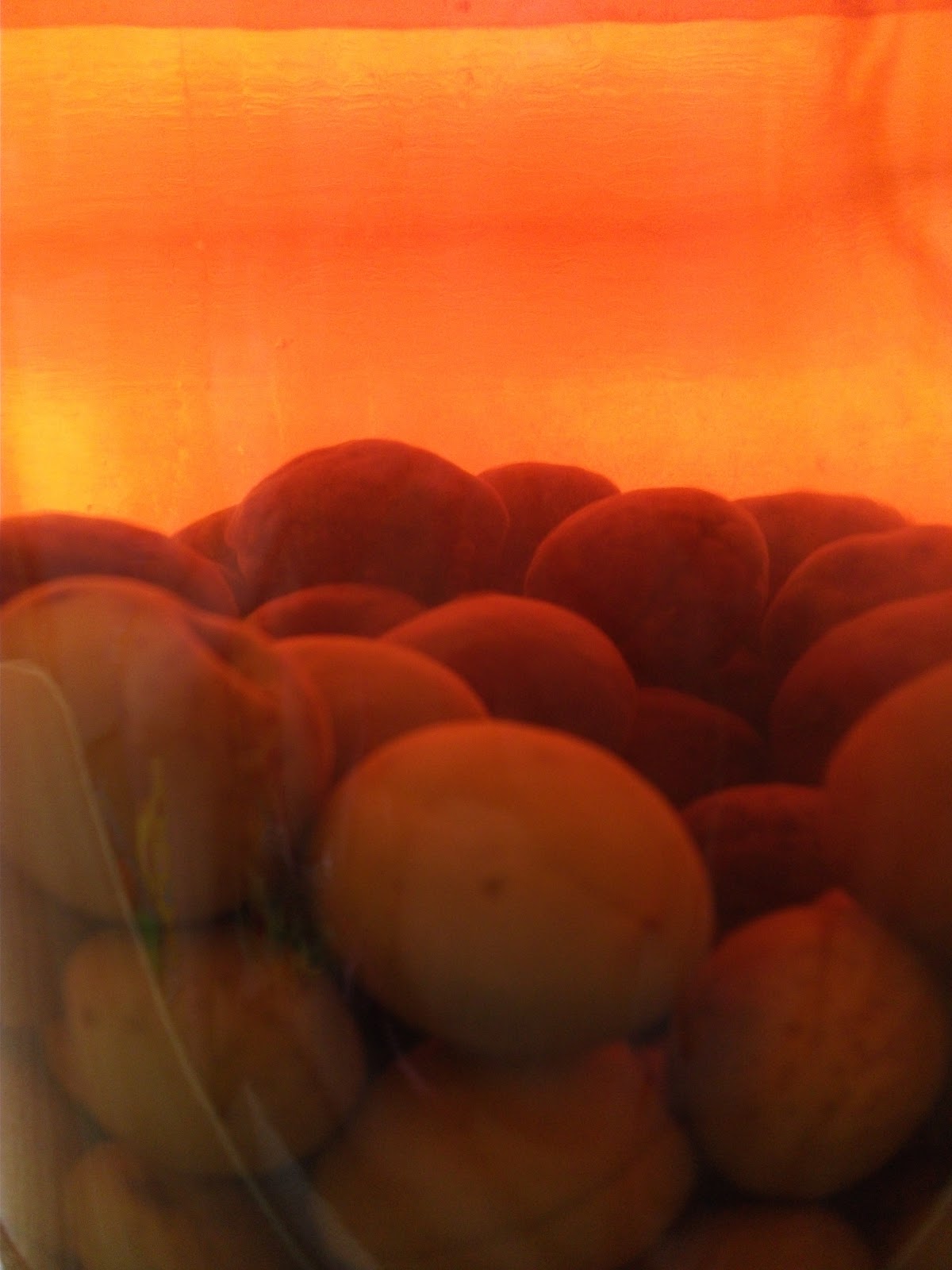
 This is homemade umeshu(plum wine, sake). No, I'm not making moonshine. It's from Junko's parents. No, their not making it either. Many people mix umeshu at home. It's easy; just put a bunch of plums in a big container of shochu( a kind of strong Japanese sake) and add some Kori-zato( a kind of sugar). It's really sweet and good, but watch out, it can be deceptive. It doesn't taste so strong, so its easy to drink too much. I'm so thankful to Junko's parents for this treat every year. Speaking of moonshine, a friend of mine told me it's illegal to brew alcohol at home in Japan. My friend Marty in Kansas City brews beer. There go my dreams of my home distillery.

Wednesday, August 3, 2011

What's this?

 Ok, this isn't too hard. It's a toothpick. But look more closely. Toothpicks in America are sharp at both ends. Nicer ones are wood color and have a round shaft. Cheaper ones are colored and have a square shaft. You know the ones I'm talking about.

But Japanese toothpicks are sharp at only one end. The other end is rounded like the finial at the bottom of a staircase. A Japanese person told me you are supposed to break off the rounded end and lay it on the table and use it as a rest for the sharp end, just like a "hashi-oki" or chopsticks rest. This represents the Japanese attention to detail. In America, being able to use a toothpick twice is more useful. But for the Japanese, aesthetics and design are sometimes more important, even something as mundane as a toothpick can be made more beautiful.

Sunday, July 24, 2011

Fuurin

This is a "Fuurin"(wind bell)" The Japanese are always very conscious of the seasons and Tthe ringing of these cute little bells is as much a sound of summer as the cicadas in the trees. It's customary to hang them outside the widow in summer. There are many different designs, but generally two types: little dark green metal bells that are modeled after large temple bells and glass bells that are often painted with little goldfish or other summer motif. Enjoy the sounds of summer.


Heart Potato and Snoopy Potato


When Junko and the girls got a surprise from Grandma and Grandpa's garden. One potato looked like a heart and another looked like Snoopy in profile. They couldn't wait to show me. But when Rika who is still fond of breast feeding, even though she doesn't need to(don't get me started) saw the heart potato from the top down, she said "opai!", (breasts). That's my girl.


What's this?


What's this Hana has? It's not an exercise machine to build your arm muscles. Most people in Japan sleep on futons on the floor (we do). On sunny days, people hang their futons or covers over the railing of the balcony to air them out. It's well known that strong sunlight kills bacteria and prevents mold. I don't know the exact name, but this is a futon clip like a giant clothes pin. It keeps the futons from flying away. Isn'tthat interesting?

Japanese Yo-Yo Balloons


These are yo-yo balloons, which are a typical toy and prize at Japanese festivals. They're simple; a small balloon with a little water inside, tied with a rubber band. Put it on your finger and bang away. loads of fun. They're a game prize. All the balloons are put aloat in a small mini-pool. You pay for your chance, and the staff will give you a little tissue paper rope with a little metal hook. You dip your hook and fish for one of the rubber bands to get your balloon. If really good you can hook more than one, but remember, as soon as the paper getswet, it'll get weak and start to tear.

Tenji-Blocks


What are these? You see them on every sidewalk in Japan. These tenji-blocks are for the blind. Blind people with a white stick can walk on these releif blocks to know where the middle of the sidewalk is. In addition, many crosswalks feature a cuckoo like beep or even music when the walk changes green, to let the blind know when it's safe to cross. There are even public service announcements to warn young people not to park their bikes on the tenchi-blocks. What a thoughtful country. They're pretty useful when you're stumbling home drunk, too.


Tuesday, July 12, 2011

Mimi-kaki

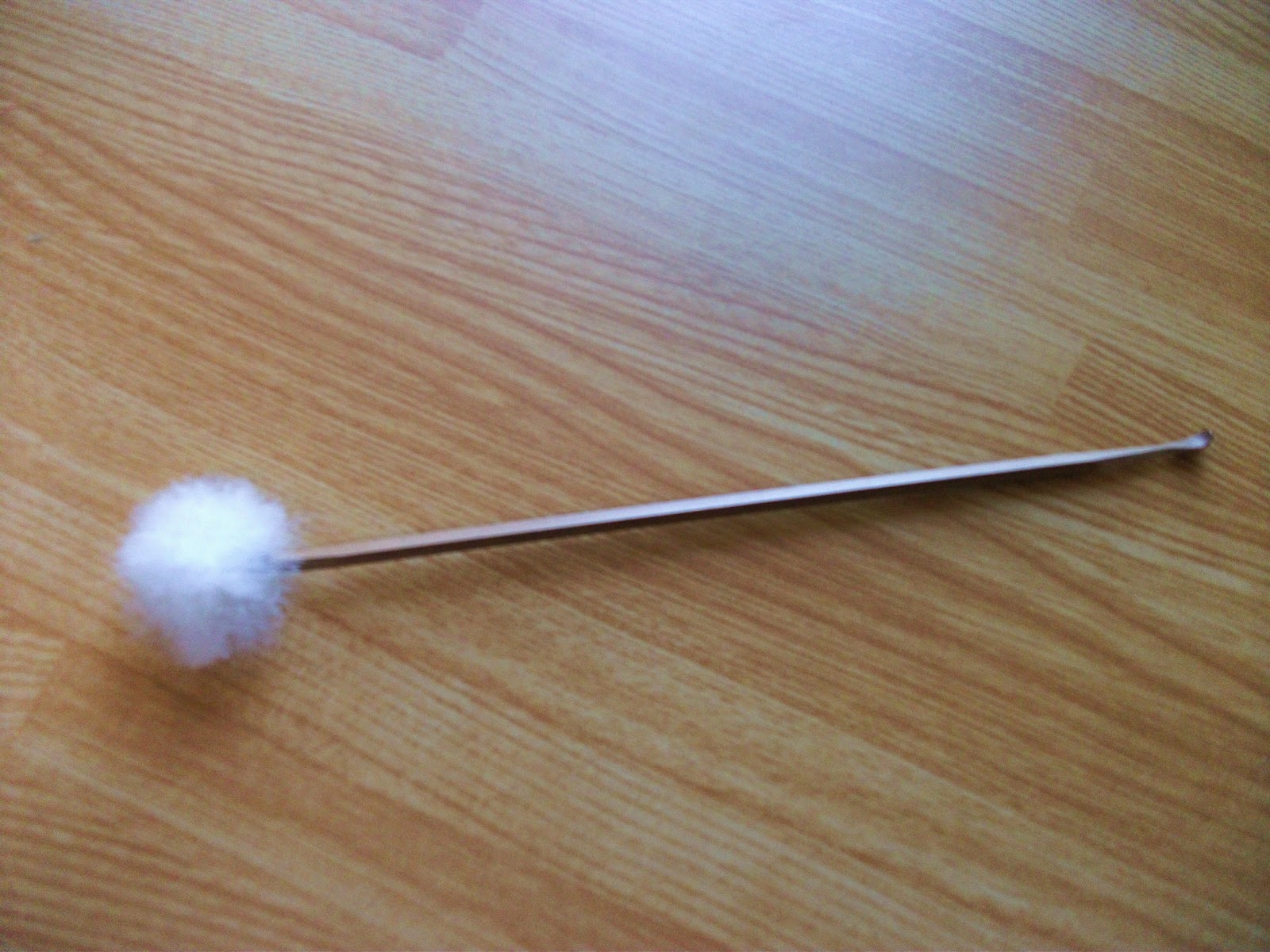
What's this? If you guessed a coffee stirrer, think again. This is called a "mimi-kaki", an ear pick. "mimi", means ear, and "kaki" means to scrape. The tiny spoon end is to clean out your ear and the fluffy ball end os to dust the outer ear. In the edo period, hundreds of years ago,  men would visit mimi-kaki salons, where young pretty girls would delicately clean your ear for you. Even today, Japanese men love to lay there heads down on a woman's lap and have her clean his ears. I'm pretty lucky, Junko has taken it upon herself to clean my years. But she just uses a Q-tip.
Related Posts Plugin for WordPress, Blogger...