Showing posts with label Japanese Snacks. Show all posts

Friday, February 3, 2012

Smart Cheese

Japanese are not big cheese lovers or milk drinkers, for that matter. Little kids often eat, "Baby Cheese", little balls of mild white cheese. But, I really love this on. It's a baby cheese marketted at adults. It has a really strong, salty taste, almost like blue cheese. It's called "Smart Cheese". I take it in my lunch sometimes at school and joke I et it to be smart.


Cheeza Crackers, the Best Cheese Taste

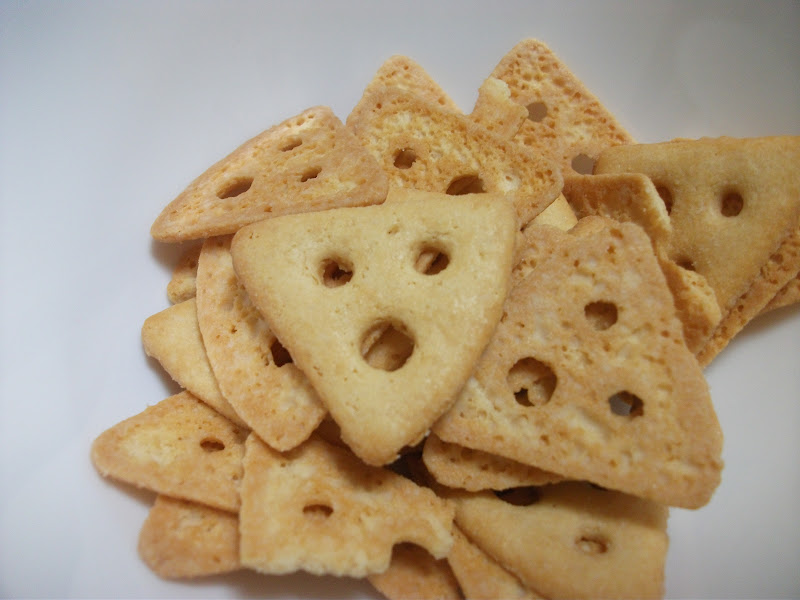
I love these, too. They pack a wholop of intense cheese taste. When they say 51% cheese, they ain't kiddin! They come in Cheddar, Camembert, and Gorgonzola, like blue cheese. It's marketted as a beer snack, but I can enjoy it anytime. The only problem, it's expensive, around 198 yen, about $2 for a tiny little bag. But please try it.
cheeza crakers


cheeza crackers


Willy Wonka Bar; the Best Chololate Bar in the World!

I absolutely love these. Japanese chocolate is good, like Ghana, but nothing beats the Willy Wonka Bar for size and taste. It's really big, and expensive at over $5 a bar. But worth the treat every once in a while. The box has Japanese on it too. I never found a Golden ticket inside, though.


Willy Wonka Bar


Willy Wonka Bar

Willy Wonka Bar close up

Hoshigaki(dried persimmons)柿 Daisuki

A few of the plethora of hoshigaki, dried persimmons from Junko's parents. I love these things, thick, sweet, and chewy. A little like the inside of a fig newton. This is one of the two main varieties of persimmons in Japan, the other kind being eaten fresh. These are picked and then strung up like a string of pearls to dry in the sun, a common sight on people's balconies in the autumn. The little tops would be a great hat for an acorn person craft. I much prefer these to the little winter oranges people eat while sitting under the kotatsu.

hoshigaki


hoshigaki


Saturday, October 22, 2011

Japanese Figs: ichijiku いちじく

 One thinks of figs and dates as middle eastern fruits, but figs are a very popular food in Japan. These fresh figs came from Junko's mother. They have some fig trees growing on the little mountain behind their house. Figs are really tasty. I've always loved Fig Newtons, but I don't think I'd ever seen a fresh fig in America before. I have to admit, their a little gross-looking, like something bloody cut open. When ever I see them, I'm reminded of the strange monsters from the Stephen King movie "The Langoliers" or the burrowing monsters from "Tremors". Another thing about figs is in Japan, they say eating figs will help a woman's breasts grow bigger. I wonder if that kind of ad campaign would work n the states? Bon appetite!


Taiwanese Beef Jerky

 This was a present from Junko's father. Taiwanese beef jerky. It was chewy, but not too hard, a little sweet, with a spicy after taste. It was too tough for the kids and Junko didn't like the taste. More for me. Never met a Kansan who turned down free beef jerky. Jerky is popular as a snack with beer and you can get it in any convenience store.

I remember when I was a kid, my mom would make big batches of beef jerky from brisket marinated in soy sauce. They would bake in the oven all day. They were soo good. She put them in a big coffee can for storage, but they wouldn't last but a few days. We couldn't stop eating them. This Taiwanese snack was ok, but doesn't hold a candle to Mom's.


Japanese Snacks: Imo Kenpi 芋けんぴ

 Sweet potatoes are very popular in Japan and are put in many dishes.The traditional way is to rake up a big pile of leaves and set them on fire and put in the potatoes. That's is the yakimo or baked sweet potatoes.

This is a really good and somewhat healthy snack alternative. It's imo kenpi made from sweet potatoes. They're crunchy, sweet potato sticks frosted on the outside. Just potatoes and sugar. It's a great way to satisfy your sweetooth. I love them.


Saturday, September 24, 2011

Japanese Snacks: Bokun Habanero 暴君ハバネロ

 This is one of my favorite Japanese snacks. If you like it hot, this is for you. It's called "Bokun Habanero" which means "Tyrant Habanero". It's probably the hottest snacks sold leagally in Japan. It'll really put hair on your chest, not for the faint of heart. Japanese generally don't like really spicy food, but curry is popular and really hot level 5 curry mix is available in stores. Bokun Habanero ranks as one of the spiciest things I've had. It's instantly recognizable by its skull faced red chili pepper character. Apparently, it's too good. I used to be able to find it everywhere in Japan, there was even a canned soup version. But these days it's harder to find and they keep coming out with less spicy versions more for the masses. If you like hot food, then I recommend you give it a try.
Here's the website in Japanese
Bokun Habanero

Tuesday, August 30, 2011

雪の宿, "yuki no yado" Snow House Senbei

雪の宿, "yuki no yado" is probably my favorite Japanese rice cracker. Yuki means snow and yado means cottage or house. The image is a snow covered house. It's a salty "salada" senbei cracker covered with a thin, hard, white frosting on one side. It's salty and delicious with a hint of sweetness. A perfect balance. There is also a brown sugar version that is great.

There is an infinite variety of senbei or rice crackers. This is one of the best and most popular. Watch out for more senbei on this blog.

Sunday, August 28, 2011

動物ヨーチ Doubutsu Yo-chi (Animal Crackers)

Doubutsu Yo-chi are one of my favorite Japanese cookies, known by the British expression "biscuits" in Japan. Doubutsu means animal. Think of them as really thick animal crackers with a hard pastel frosting on one side.They're really sweet and the taste reminds me of cookies I've had in the States, like the kind Cookie Monster used to always eat. They come in many shapes, not only animals and the frosting is pink, yellow, white, or green. However, I always have trouble telling what kind of animal they are. It's not always clear by looking at the frosting side. The cookie side sometimes gives you a clue. I've seen shells, cats, bears, elephants, a hippo I think, and a chestnut. This ambiguity is actually part of the charm and you can interpret them differently like watching clouds.

Sunday, August 21, 2011

Karintou manju

 Manju is the generic name for a kind of traditional Japanese sweet. Manju is usually made with a sweet red or white bean paste, covered in a rice powder or breaded covering. Manju comes in an infinite variety of shapes and tastes. You're going to see a lot of manju on this list. This particular one is karintou manju. Karintou is the name of a different crunchy, breaded sweet and this manju has a similar taste. It took me a while to get to like manju. For westerners, it's not very sweet and the texture is  little strange, but I love it now. This was a real good one.

Bota-mochi or Ohagi

 This is a traditional sweet in Japan called ohagi or in this area, bota-mochi. Junko's mother made this. It's one of her specialties. It's made with sticky mochi rice or mochigome. The rice is pounded, but not completely as in proper omochi rice cakes. The outside is covered in anko, a sweet bean paste. I believe this is a homemade variety. There are many traditional sweets made with a red bean paste. I never knew beans could be a sweet until I came to Japan. Bota-mochi taste good. They are pretty sweet and thick and chewy. I cut this one in half to show you the inside. She makes another version with a sweet paste made from green peas.


Tofinek Carmel wafers by Tago


 These are one of my all time favorite snacks in Japan. And guess what, they're made in Poland. These are thin, chewy, carmel wafers. Again, these import items come from local discount supermarket Lamu. According to the package, they're designed to be put on top of your cup of coffee to warm them and then dip. I just eat them out of the package. And at 28 yen (about 30 cents) a pop, they're pretty affordable, too. I love the taste, chewy, carmelly sweet. Great for a snack anytime. Check them out.

Sunday, August 14, 2011

ミニ黒棒 Kurobou brown sugar snack

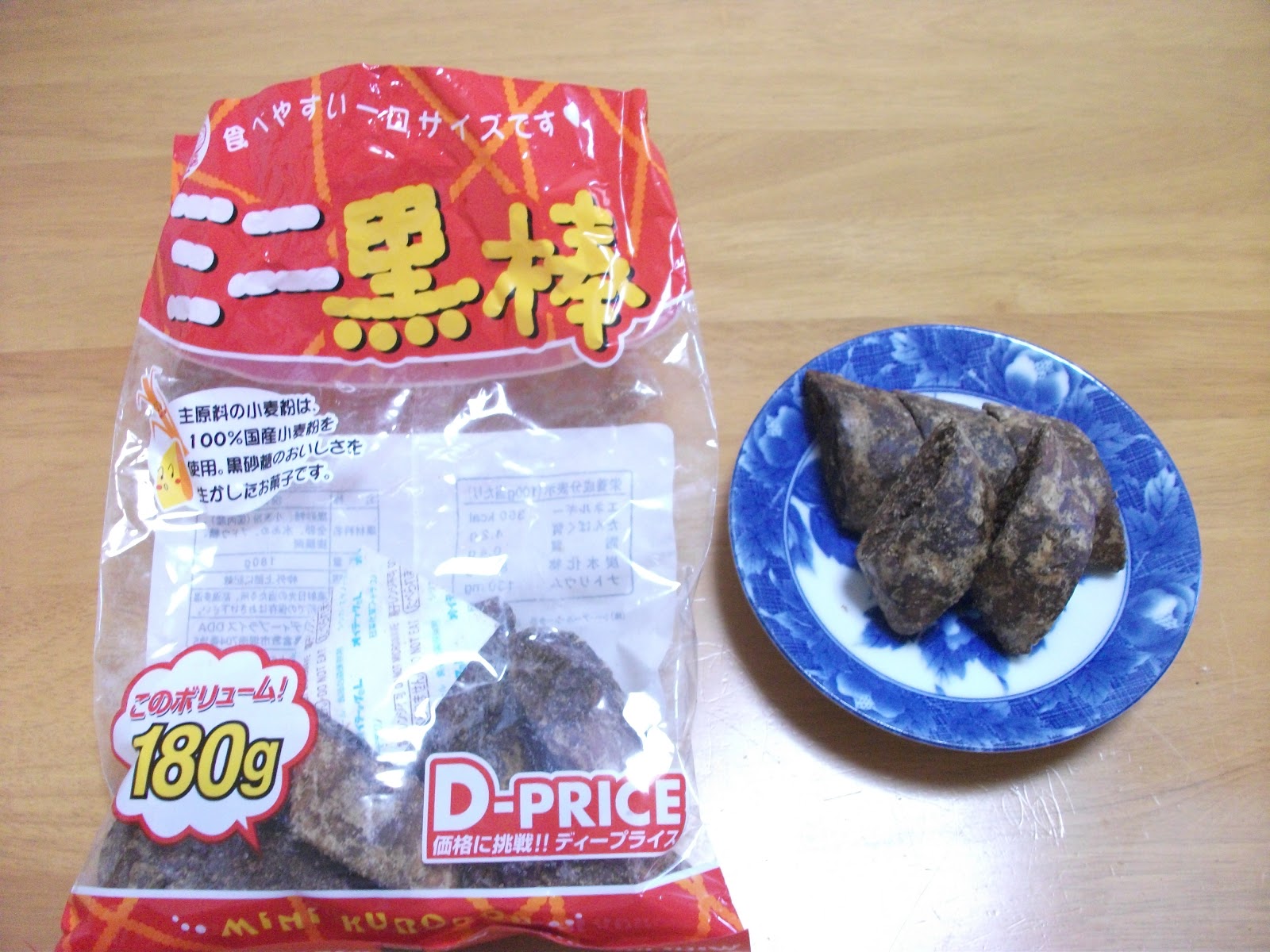
 There are many kinds of brown sugar snacks in Japan. Raw brown sugar is famous from sugar cane in Okinawa. This raw sugar is supposed to have health benefits. This is one of my favorite brown sugar snacks , ミニ黒棒, mini "kurobou". Kuro means black and comes from the Japanese word, "kuro zato", or black sugar. "Bou" means stick. This is the mini version from a non-name brand. It's like a slightly hard, chewy cookie or cake and has a great brown sugar taste. I can eat the whole bag. Check them out.


Calbee's Sayaendo soybean snack

  This is a great Japanese snack Sayaendo by Calbee. It's made from soy beans called "endo mame" in Japanese. There are other brands of the same kind of snack. It has a really good, salty taste that is addictive. I remember my mother loved this type of snack. They are shaped like little green soybeans. Real soybeans in the pods are served as a snack with beer at restaurants like we eat beer nuts. I really like this sayaendo snack. It's a good change from potato chips. Don't miss it.

Sunday, July 24, 2011

Snacks #2 Sakuma's Drops


This is a classic hard candy in Japan. It's been around for decades. The multi-colored candies come on a little tin with a stopper top. The design goes back to WWII. It's still popular. But, everytime I see the can, I'm reminded of that extremely sad animated war movie, "Graveyard of the Fireflies" by Miyazaki Hayao. The brother and sister enjoy the candies together, and in one scene, after all the candies are gone, they put water inside to make a sweet drink. That's the high point. It's all down hill from there.

Japanese Snacks #1 Ghana Chocolate

If you took an informal poll of foreigners living in Japan as to which Japanese chocolate they pefer, probably most of them would say Ghana Chocolate by Lotte. This is my favorite Japanese chocolate. It's got a really rich, expensive taste, but it's really cheap. around 88 yen per bar. In general, I can taste a difference between American chocolate and Japanese chocolate. Japanese chocolate has more of a cocoa taste, more "chocolatey". Many western foods in Japan are modeled after a European taste, not an American one. American chocolate is sweeter and tends to be softer and lighter in color. You can taste the added sugar and preservatives. But hey, I love American chocolate, too. I'm happy I can buy a Snickers bar anytime I want at the local Lawson convenience store and feel "American" again. But probably the best chocolate bar of all is the Willy Wonka Bar. The same from the movie. It's really big and costs about 5 dollars per bar, but it's worth it.
Related Posts Plugin for WordPress, Blogger...